
What the source data says
DEWA reports that the Mohammed bin Rashid Al Maktoum Solar Park has reached 3,860MW of production capacity and is planned to exceed 8,000MW by 2030. The same source states that clean energy exceeds 21.5% of DEWA's total capacity and is expected to reach 36% by 2030.
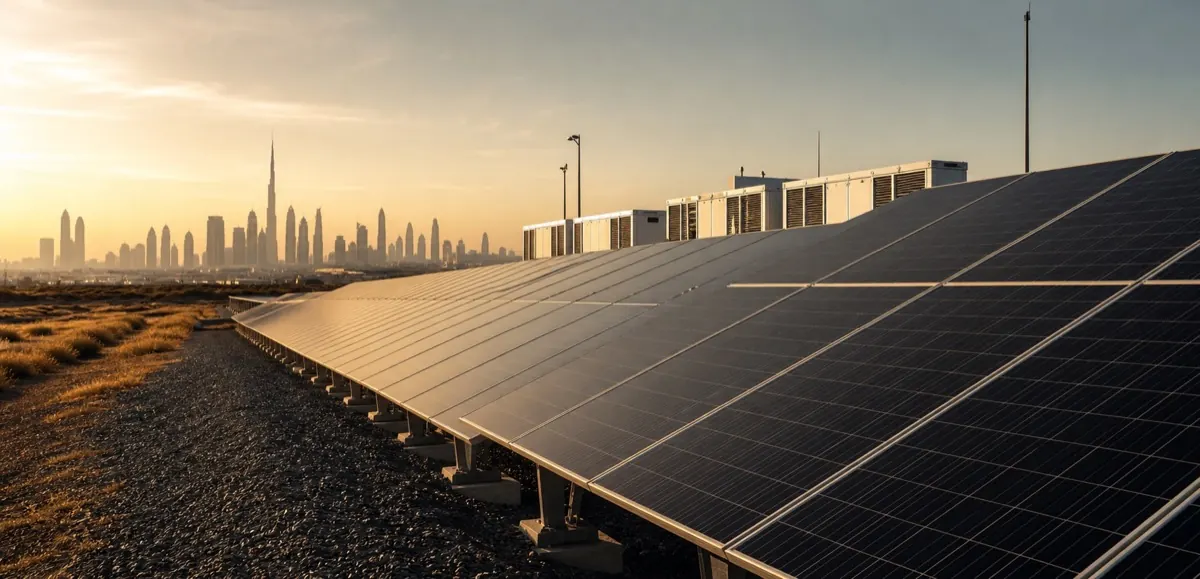
- 3,860MW capacityCurrent production capacity gives investors a tangible operating base for benchmarking scale and execution risk.
- 8,000MW+ by 2030The planned expansion increases the importance of phased capex, supply-chain timing, and grid-integration assumptions.
- 36% clean energy targetThe forecast share of DEWA capacity raises the financial relevance of offtake, storage, tariff, and policy scenarios.
Financial implication
Renewable project models should not treat installed capacity as the whole investment case. The stronger model asks how returns change under tariff compression, construction delay, equipment-cost movement, battery or storage requirements, grid-connection timing, and debt-service obligations.
For Dubai-focused projects, market momentum can improve investor confidence, but it does not remove execution risk. Financial consultancy has to distinguish strategic growth potential from bankable project economics.
AXIS Global view
AXIS Global builds renewable-energy financial cases around sensitivity architecture: base, downside, delayed, and accelerated scenarios that show management how project value moves when capacity, tariff, funding cost, or commissioning timing changes.